
Expert advice for making sure your global financial investments are secure.
The recent passing of international celebrity Ozzy Osbourne was devastating to his fans, but estate and trust lawyers probably had an added reaction of wondering whether or not he had his estate set up properly. Osbourne most likely owned property in his native UK and in the United States, if not other assets around the world, and owning any foreign assets can make things complicated at the best of times.
Here are three things to know about estate planning and international holdings.
Share Information with Your Team Immediately
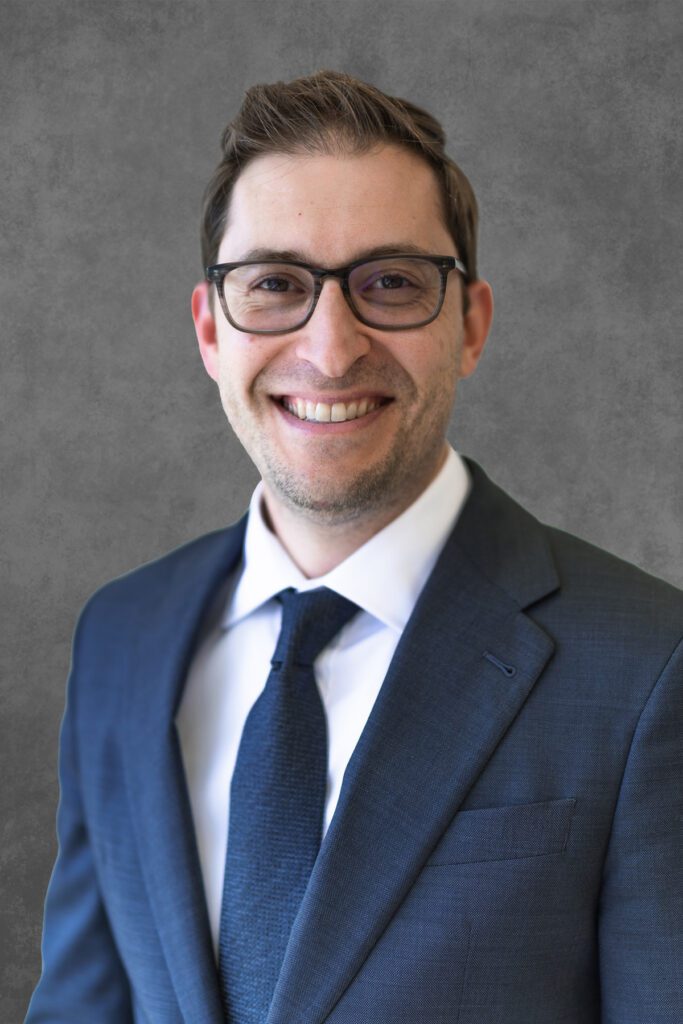
It’s important to inform your team of any foreign real estate investments, properties, stocks, or other investments as soon as you purchase them so they can help you come up with a strategy to incorporate them into your estate plan, says Philip Cook, CPA, and Whittier Trust vice president.
“Your United States-based estate planner needs to liaise with experts based in the countries where the assets are,” he says. “Every country has its own system of probate, its own tax regime, and its own planning requirements. You’ll need to secure an estate planning attorney in the country where you’re purchasing to make sure the asset passes according to your wishes.” Most countries will have a clear probate system to honor your plan, but some don’t, so make sure you understand how that asset gets transferred. This helps ensure that the transfer happens the way you intended when the time comes.
Cook cites a cautionary tale involving a foreign-born client who had become a U.S. citizen. The client retained real estate and assets in her home country, and when she passed, it was discovered she had stocks in her name outside the U.S. “We had no way of knowing they existed and discovered the assets late into the estate administration,” says Cook. “They were still sending statements to her address in her home country.”
The client’s team couldn’t file for probate in the foreign country because they were only serving as trustees of her trust, not executors of her will. The client’s beneficiaries were requesting things that couldn’t be done because there was no jurisdiction. “It took us three years to figure it out,” says Cook, who adds that the team had a hard time finding attorneys in the home country who specialized in the help that was needed, and they had to solve complex problems like whether her U.S. will could be admitted for probate in a foreign country and who had the burden of paying for counsel. “We couldn’t give the trust beneficiaries the answers as quickly as they had hoped,” he says.
The moral of the story: If you have foreign entities or assets, share the information with everyone on your financial team to ensure they’re equipped to act in your best interests.
Consider Tax Implications

Prepare yourself for more complicated taxes when including international property or other holdings in your estate plan. “As a general rule, U.S. citizens are taxed on all their assets, worldwide,” says Cook. “If you buy a house in Scotland, the value of that house will be included in your U.S. taxable estate.” It’s an important point to consider when being tax conscious is a priority.
The tax treaties with other countries and/or estate or inheritance tax regimes in those countries could further complicate things. “Make sure that, in addition to an estate planning attorney in that country, you have a tax professional who understands the tax ramifications of ownership. You may be subject to different tax regimes,” Cook says.
Make Sure the Right Hand Knows What the Left is Doing

It’s important to have someone connecting the complex dots associated with international holdings. Cook advises checking with your U.S.-based counsel for referrals in other countries to ensure that your bases are covered with respect to taxation, as well as wealth and asset transfer. If you have engaged the services of an investment and wealth management firm such as Whittier Trust, they can consider the full picture, so nothing gets overlooked or stuck in the transfer process. “We can help facilitate clients getting those boxes checked, so it’s one less thing to worry about,” says Cook. “That way our clients can just focus on enjoying the property, and there may even be opportunities for planning strategies.”
International estate planning doesn’t have to present insurmountable challenges if you share information as soon and as widely as possible with your financial services team, which could include counsel, tax attorneys, trust lawyers, account managers, and others. “Talk to your team,” says Cook. “The more you disclose, the easier it is for us to find things to follow up on so that efficiencies are discovered, your wishes are carried out, and your estate planning goals are met.”
Written by Philip Cook, Vice President, Client Advisor in Whittier Trust’s Seattle office.
If you’re ready to explore how Whittier Trust’s investment services can work for you, start a conversation with a Whittier Trust advisor today by visiting our contact page.